

For one customer, the appeal of the wig’s coloring is offset by a cap that becomes uncomfortable after a few hours of wear. A natural-looking front is welcome, but another customer finds spending twenty minutes on lace each morning too time-consuming. The style looks wonderful, but a different buyer finds the density heavier than imagined once it is worn.
For a wig brand, these comments are more than customer feedback. The possibility is to turn these insights into new designs that people really want to wear.
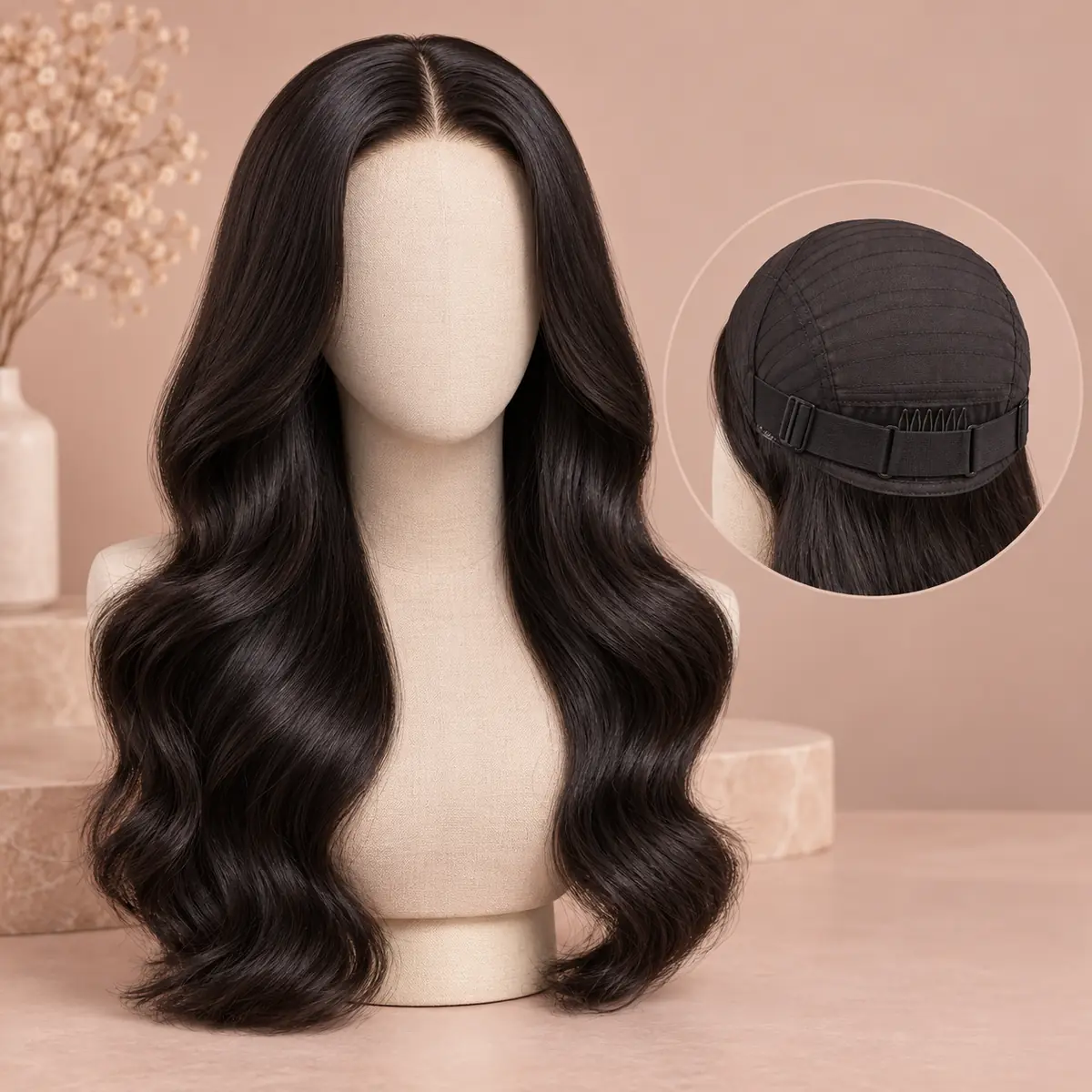
Image credit: vayorahair.com
Successful wig collections aren’t necessarily built around the latest viral hairstyle. A collection should begin with the customer’s expectations and the experience they want when they put it on.
Understand the Problems Behind the Purchase
When wearers explain their needs, they generally do not speak in production-specific terms. Instead, their concerns center on convenience and comfort, confidence and appearance. When a buyer asks for an easier start to the day, a glueless construction may be worth exploring. Complaints about an unnatural hairline could indicate that lace appearance, knot treatment, density, or parting design needs attention.
Translating wearing concerns into measurable design criteria is a capability to look for in a human hair wig manufacturer China brands choose.
A request for a 22-inch body-wave wig can go well beyond length and texture: buyers can specify how the wig should feel when worn, cap fit, lace construction, hairline appearance, and finished weight. The development team benefits from having a more precise design goal.
Give Your Private Label Range a Recognizable Identity
The products selling well right now often become the entire basis for a developing wig brand’s catalog, which can be a misjudgment. The result can be a collection that looks remarkably similar to competing stores.
Choosing a private label wig manufacturer China retailers can work closely with gives brands an opportunity to develop a more consistent identity for their products. A brand could focus on lightweight everyday styles, premium natural-hairline designs, or ready-to-wear styles for customers who want minimal preparation. The shared customer commitment should guide texture, length, color, density, cap construction, and packaging. Rather than relying solely on limited-time savings, a recognizable collection offers shoppers another motivation to shop again.
Glueless Construction Go Beyond a Name
The term “glueless” sounds simple, but the wearing experience depends on several construction details. A secure, comfortable fit depends on cap sizing, adjustment features, attachment components, lace preparation, and hairline design.
A glueless wig manufacturer China buyers choose should help clarify these requirements before production begins. An easy-to-manage density, pre-cut lace, and simple adjustment features may be particularly important when the intended customers are inexperienced wig users. By contrast, a range for styling professionals may call for a different set of customization features. There is no universal preference for either approach. What distinguishes them is the intended wearer.
Product Sampling and Brand Reputation
A product image cannot reveal all the characteristics of the wig. A buyer should assess how the cap fits and the hair moves, check the color against expectations, and examine whether the finished construction matches the approved design. The sample stage creates an opportunity to notice inconsistencies ahead of a higher-volume purchase.
For a wholesale human hair wigs supplier, documented specifications and quality-control procedures are especially important when the same style must be produced repeatedly. Even a successful initial batch may be hard to replicate consistently if adequate references are unavailable.
Build a Collection That Can Grow
VAYORA works with B2B wig brands, retailers, and distributors to support product development, private label services, sampling, specification control, and repeat-production processes. The focus is on aligning what wearers expect with the construction details responsible for how the wig looks, fits, and feels.
Before expanding a catalog, brands should examine customer feedback, identify their strongest product opportunities, and establish clear approval standards. The next successful collection may not require more styles. It may require fewer compromises in the styles customers already want.