

In the modern workplace, how we manage and maintain devices has undergone major changes. In light of the shift to worldwide work practices to blended and remote arrangements, the traditional way of distributing computers within the office was replaced with more complicated workflow, known as Device Lifecycle Management. Managed Desktop Service (MDS) is now a key component of this shift, assisting to streamline organizations’ processes and improve the end-users’ experience.
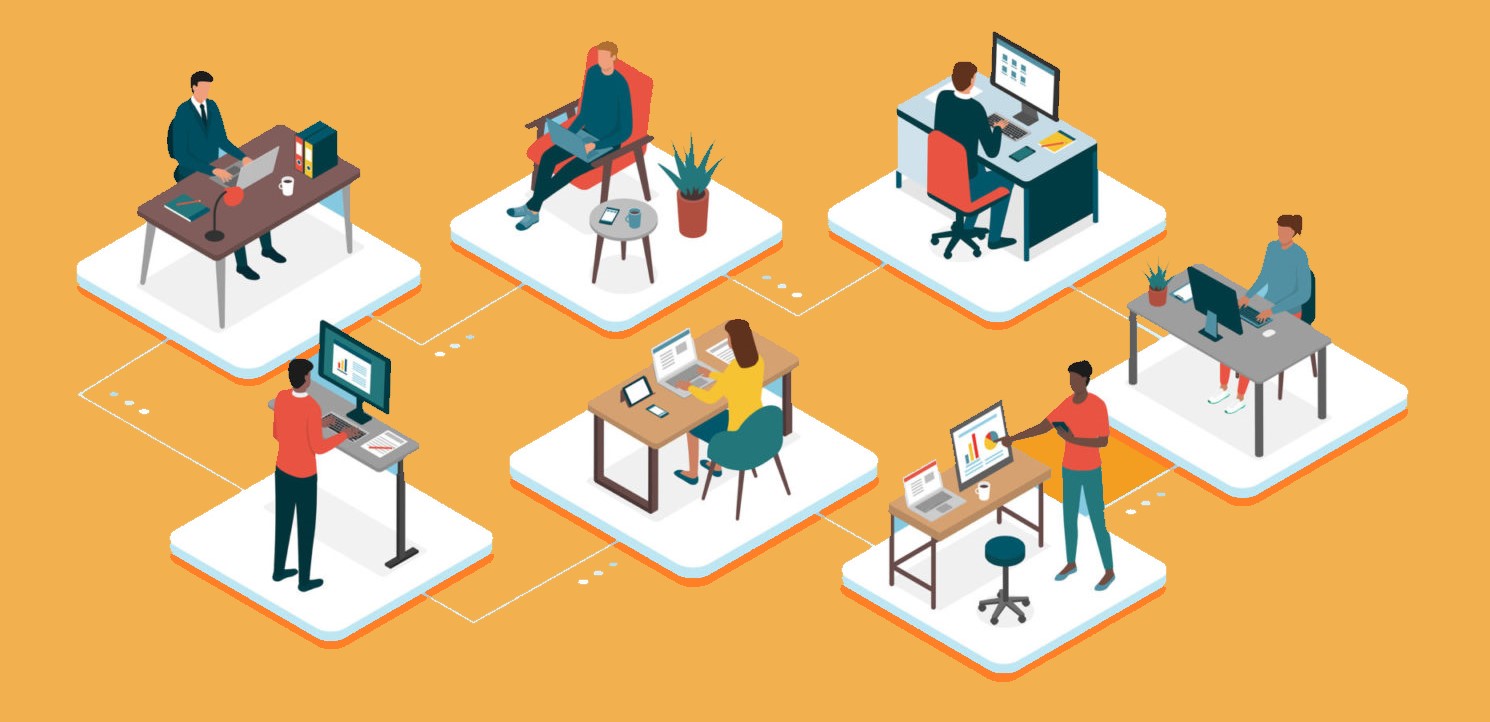
Device Lifecycle Management, often referred to as DLM, encompasses the entire journey of a device from acquisition to retirement. It is a set of procedures that cover procurement as well as provisioning, maintenance and disposal at the end of its life. Although DLM was once a relatively simple procedure in office environments of the past However, the advent of remote work has brought additional complexity and challenges.
IT managers now have to handle logistical and asset management at all times of the device lifecycle. This is mainly driven by the need to meet the different needs of remote workers and hybrid employees. As a result, it is now essential for companies to implement efficient solutions, and Managed Desktop Service has emerged as a game-changer.
Managed desktop service: A remote work enabler
Managed Desktop Service (or MDS) is a comprehensive software solution designed to simplify management of end-user devices. This service offers a holistic method for provisioning, managing and supporting devices which makes it a vital instrument for IT managers. Managed Desktop Service can help businesses overcome the issues associated with remote work.
Enhancing End-User Experiences The primary goals of Managed Desktop Service is to enhance the end-user experience. It tackles common issues that remote workers face problems with their equipment, like delays in onboarding, lengthy software upgrades and the slow repair and replacement process. MDS enhances productivity and job satisfaction by making sure employees are equipped with the tools and resources they require to be able to access.
Managed Desktop Service streamlines the deployment of new devices to remote employees. MDS allows organizations to efficiently provide laptops and necessary equipment for new hires. This will ensure that new hires are equipped with the tools needed on their first day. It alleviates the stress of employees waiting for devices or delays in getting started.
Fast Software Updates: Managed Desktop Service helps IT teams manage software updates and patches more effectively. It allows you to schedule updates at non-disruptive hours and ensures that employees will not be interrupted when performing critical tasks. It minimizes the risk of interruptions to employees during video calls or important meetings.
Quick Repairs and Replacing: In a workplace where remote workers are working in a remote location, prompt repairs or replacements of malfunctioning equipment are crucial. Managed Desktop Service providers have often put in place robust support systems to ensure that employees receive immediate help if their devices have problems. This helps reduce downtime as well as the risk that cybersecurity threats result from the use of mobile devices belonging to individuals or that are unsecure during times of crisis.
Cost-Efficiency: Organizations can reduce costs by outsourcing the management device for the end-user to Managed Desktop Services providers. This means that they no longer requirement to employ staff internally to manage devices, decreases disruptions caused by outdated equipment and enhances the value to manage the lifecycle of devices.
The Impact of Employee Engagement and Turnover
Employee engagement and retention are directly influenced by a seamless and efficient management of the lifecycle of devices. Employees that are frustrated because of issues with their devices could be less engaged, and even consider looking for opportunities to expand their business. Inefficient DLM could have a major impact on employee engagement.
In contrast, organizations who invest in Managed Desktop Service (MDS) and a streamlined Device Lifecycle Management can create an enjoyable and positive work environment. Employees who have access the right tools, experience less interruptions and receive timely assistance in the event of an issue are more likely to stay with their current employer. This could reduce unemployment and associated cost of training and recruitment.
Cybersecurity threats: How do reduce them
Security is an important concern for organizations in the age of remote work. If devices are not properly managed employees could end up using personal or unsecured devices that could pose serious risks to the organization’s data and security of the network.
A lot of managed desktop service providers employ strong cybersecurity protocols. They are able to ensure that all devices have the most recent security patches and that data is secured and encrypted. This proactive approach to cybersecurity can help companies reduce risks and ensure an environment that is secure for remote work.
Conclusion
As the workplace landscape continues to evolve the significance of efficient Device Lifecycle Management and Managed Desktop Service cannot be understated. These services are crucial for companies trying to adapt their operations to the changing requirements of hybrid or remote workplaces. In this new age of work and technology, by focusing on improving user experiences, streamlining device provisioning and improving cybersecurity, companies can improve their productivity as well as reduce turnover, and provide a safe and engaging workplace. This is not a response to the current times. It’s actually an important strategic move towards the future of a more competitive one.