

A powerful side-by-side can haul equipment, pull supplies and manage demanding trails. A section of icy or wet ground could put everything on hold.
The problem isn’t always with horsepower. Tires might not be able to spread the weight evenly or provide enough traction for the machine to be able to move forward.
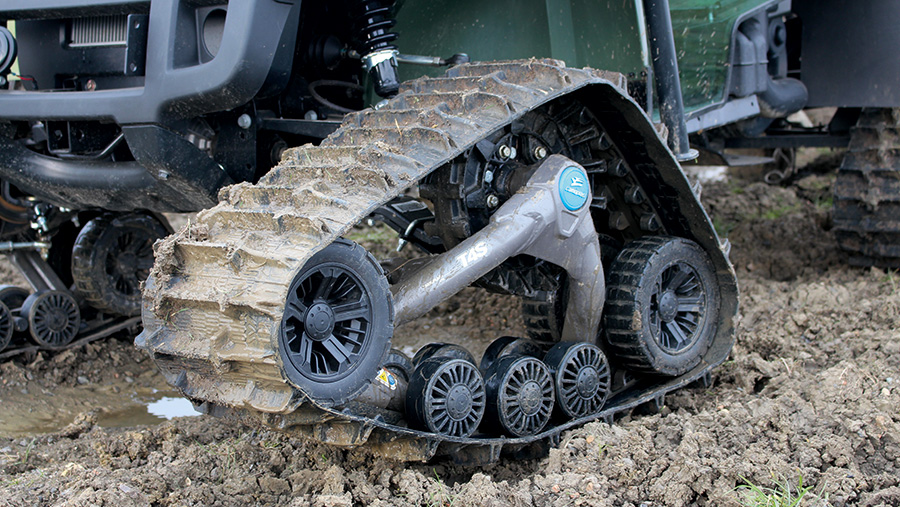
That’s when UTV tracks can be considered. They change the way a vehicle interacts with the ground allowing drivers to access areas that would otherwise be inaccessible when it’s winter or mud season.
Traction Isn’t the Same as Flotation
Aggressive tires can increase grip, but they concentrate the vehicle’s weight into four relatively small contact areas.
UTV track system distributes burden over a larger area. This helps reduce pressure on the ground and allows the vehicle to travel on dense snow, soft dirt and muddy terrains without sinking as quickly.
Practical work requires a shift. A property owner might need to get across a fence after snowfall. A farmer might need to walk through a wet pasture without causing deep ruts. It could be essential for someone who maintains rural paths to have reliable access in the event of a spring freeze. Tracks can help in completing these tasks while reducing the damage to fragile terrain.
What Machine Do You Own? Find the most appropriate system
Not all tracks for UTVs are designed for identical vehicles or workloads. ATVtracks.net provides four tracks from Camso and Kimpex. The Camso 4S1 is specifically designed for full-size side by-sides within the 400-1000cc size range.
The Kimpex HD4 supports machines within its published capacity of up to 4,000 pounds, while the Kimpex WSS4 follows its own manufacturer-specific compatibility list.
These categories are not guarantees that the tracks will meet your needs. Check the make, model and year of your car prior to purchasing side-by-side tracks. The mounting kit must match the exact machine or similar ones can require different hardware.
Better Access is a result of trade-offs
Tracks can improve accessibility, but they do not make UTVs cheaper or faster to run. According to the manufacturer’s planning data that certain systems could reduce travel speeds by 30-35% in comparison to tires. The extra resistance and weight increases fuel consumption, and places additional demands on drivetrains.
Following the manufacturer’s advice to use low range when driving in heavy or severe conditions, and slowing down your speed will aid in coping with these pressures.
Rubber tracks wear more quickly when they are continuously used on gravel or abrasive surfaces. While current systems are made for a variety of seasons, they’re most effective when they are placed on suitable terrain.
Budget beyond the Track Units
A quality side-by-side track system is an investment worth it. The track systems provided by ATVtracks.net are priced approximately between $6,000 and $13,000, contingent on the model and use.
However these track units aren’t necessarily the entire installation. Additional components such as mounting hardware for your car or anti-rotation hardware as well as hub or spacer parts could be required. The complete list of parts should be confirmed before the order is placed.
Buy for the Conditions You Actually Face
A track system makes most sense when it solves a recurring problem.
If you often find yourself stuck in deep snow, meadows that are muddy, wet ground, or other difficult season conditions, tracks can aid your side-by-side complete more of the work. For occasional recreational use on firm trails, the additional expense and maintenance may be harder to justify.
ATVtracks.net is a top provider of track systems, has been helping owners choose, install, and maintain their track systems for over two decades. Its experts confirm compatibility as well as identify the required components for a car.
Be aware of the times you get stuck on your machine, the environment that causes it and whether improved flotation could make a significant difference.
The proper tracks may not be able to eliminate all terrain limitations but they can help turn a side-by-side that sits idle in difficult conditions into a piece of equipment that you can use in the times when accessibility is crucial.